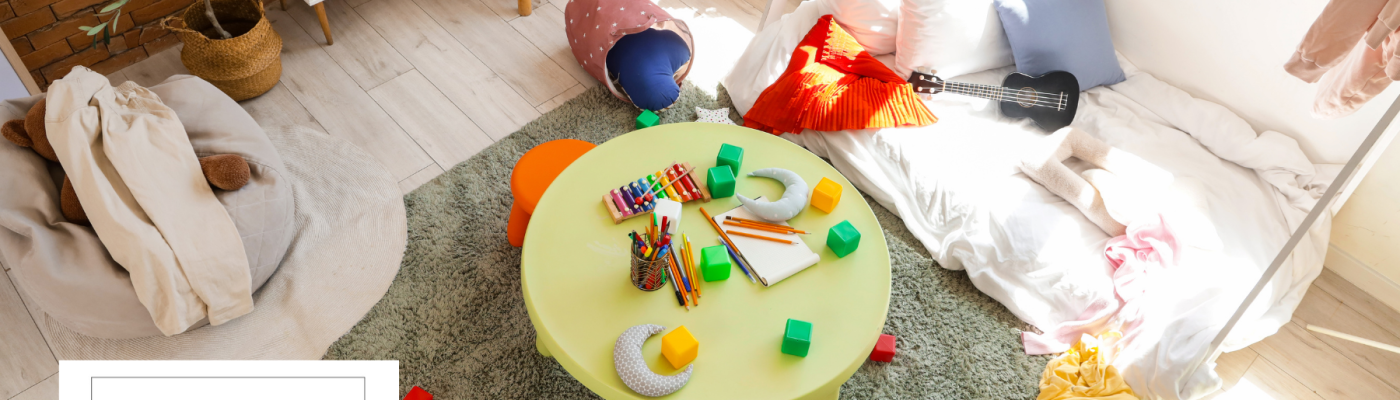
Clutter is the reason you’re late. It’s the reason you’re cranky or irritable. It’s the reason you snap at the people you love…
Your environment is wearing you down and clutter is the reason!
Clutter steals your time before you even notice. Think about how often this happens. You’re looking for your keys, your shoes, whatever it is. You were right on time and now you’re late! So, you rush! You get anxious. Your patience disappears. And now you’re not just late, you’re irritated! That irritation doesn’t disappear. You carry it into every interaction. The traffic which is making you later is now making you angry with other drivers. The older gentleman in front of you in line to grab coffee is an inconvenience…”can’t he get his coffee later? Not during the morning rush hour?!”
How do I know this? Because I have BEEN that person.
This is going to be a little bit of a wake up call of sorts. I don’t want to talk solutions, but rather problems. Specifically your clutter problem. I want to illuminate what having too much truly does to us. The implications are far reaching. Relationships, your mental health, your physical health and more. And it affects these areas in ways you don’t even realize.
Let’s talk about the moments people don’t connect to clutter. You snap. You’re sharp. You overreact to something small. And later you think, “why did I do that?” Because your brain was already maxed out! Clutter forces you to make constant micro-decisions: Where did this go? Why is this here? I should deal with that. I don’t have time.
By the time a real person needs you—you’re empty! Not mean. Not uncaring. Just empty! Clutter creates friction. Friction steals time which creates stress. Stress turns into irritability and then before you know it that irritability turns into anger, blowups, fights. This isn’t random. It’s a pattern!
When your space is calm, small problems stay small. When it’s not? Everything feels personal. A spill becomes a meltdown. A question feels like an interruption. A mess feels like a disaster. So you react harder than the moment deserves. Not because you’re dramatic—because you’re overloaded!
If you’re reading this and thinking, no, that’s extreme. That’s not me. I encourage you to think back to your last high temper moment. What spurred it on? Trace back that feeling. More often than not you can trace it back to the status of your home.
So, we know what everyday clutter can do to our minds, but let’s talk about that feeling of guilt our sentimental clutter can give us. Some of what you keep isn’t even yours. Gifts you don’t use. Items you feel bad letting go of. Memories from a loved one you lost. Mementos of your children from when they were young. So now you are not only managing clutter, your home is also managing guilt. And guilt drains you quietly. Letting go of stuff isn’t about being ruthless. It’s about choosing yourself.
Every time you keep something you don’t need, don’t use, don’t even like—you’re choosing objects over your time, your energy, your peace!
Letting go says:
- “I don’t need to suffer to prove anything.”
- “I don’t have to hold onto this object to keep my memories with me.”
- “I don’t need to carry this anymore.”
- “I’m allowed to make my life easier.”
That’s not selfish. That’s necessary. Clutter isn’t loyalty, it’s weight!
You don’t owe objects your comfort. You don’t owe gifts permanent residence. You don’t owe past versions of yourself your present-day peace. And more over, your objects can’t give you those things. Your objects can’t give you comfort or peace. If you think they can, it’s fake peace, fake comfort.
So let me ask you this—what’s one thing in your home that costs you more than it gives you? Time? Energy? Peace? You’re not alone in this. Making room isn’t about having less. It’s about making space for you. Clutter affects how late you are, how patient you are, how you show up for the people you love. And choosing to let go? That’s choosing yourself!
 Organized Chaos