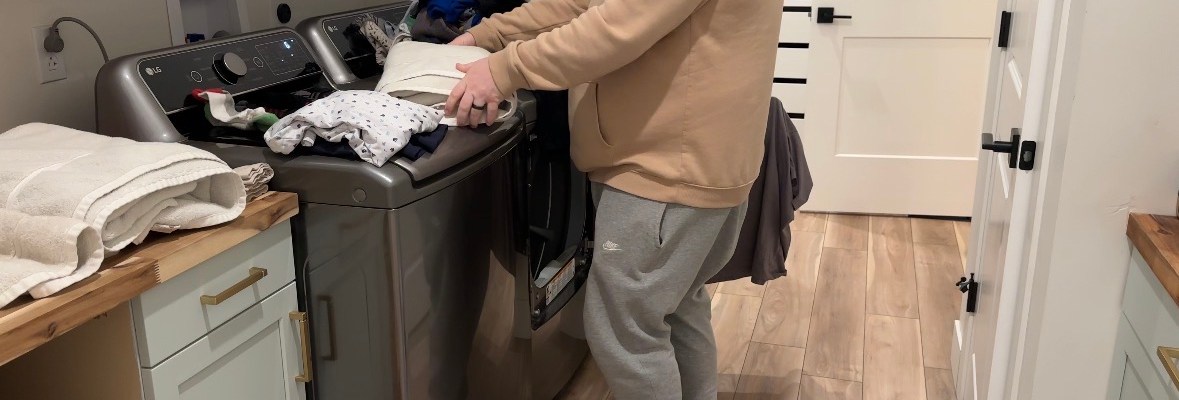

Your husband isn’t not helping you with the housework because he’s lazy or forgetful. There’s a why behind the why.
Behavior is almost always the symptom, not the root cause. So, why do you need to focus on the why? Understanding why someone behaves the way they do allows you to shift from judgement to empathy. Once you understand why, you are less likely to label someone as rude or lazy or selfish. Second, it leads to better solutions. If you don’t understand the true motive for someone’s behavior, you don’t properly treat the problem. You most likely find temporary fixes as opposed to lasting change. Last, it improves relationships and communication. When you understand why someone reacts the way they do, you can respond appropriately. People won’t feel attacked, which lowers their defenses and allows them to hear you openly.
- If you grew up in an environment where tasks were assigned to you instead of owned by you or if you grew up in a house where someone, like a parent, did everything; then you learn that housework is reactive, not proactive. Reactive meaning you respond to problems after they occur. Proactive means you act before a situation becomes a crisis. If you grew up in a house where you’re being asked to do something then you are probably a reactive person because that’s how you were taught.
- How do you combat this? Stop assigning tasks like they are favors. So instead of asking “can you help with the dishes?” Assign the task.
- Mental load is learned, it’s not intuitive. It’s not like you are born with the ability. Noticing what needs done is a skill. If one spouse has always carried the load of planning, tracking, anticipating, the other person has never had to build that muscle so to speak. So while one person is constantly improving the skill of handling the mental load, the other person is making almost no progress.
- How do you combat this? People genuinely don’t see what they’ve never had to scan for. So bring the mental load from internal to external. Write lists, routines, checklists. Then step back! Do not monitor. We learn from failure. So, if you’ve given groceries to your husband as his responsibility and then one week you run out of paper towels, that’s fine. He’s learning.
- Power dynamics and comfort become default. It’s human nature. We don’t notice what we’re not responsible for.
- How do you combat this? Again, let failure happen. Let something not get gone or tolerate the mess or the delay. Resist the urge to swoop in and fix everything.
- It could possibly be due to a fear of doing it wrong. If someone is constantly being criticized, or if the goal is unclear, people stop helping.
- How do you combat this? Redefine “good enough”. Let them have their way of doing things. Silence after they act is more powerful than feedback….so zip it!
- Gratitude for effort vs expectation of contribution. This one is hard because people want to feel appreciated. But if you are praising someone for helping then it reinforces that the task isn’t theirs and they don’t have to do it. I’m all for being grateful to someone. I thank my husband everyday. I don’t thank him for individual tasks, but rather for overall or big scale contributions.
- How do you combat this? Shift praise to acknowledgement. Instead of “thanks for helping with the kids”, say “I appreciate you handling bedtime—that’s your thing and it’s so helpful to our family.”
- Emotional jabs. Sometimes people act passive aggressively due to resentment or feeling unappreciated. So they might withhold responsibility around the house as a way of acting out.
- How do you combat this? Separate emotion from logistics.
 Organized Chaos
What do you do if you live alone with a chronic illness and there’s no one else to assign tasks to?
LikeLike
Have you read the article I posted about cleaning with a chronic illness? I think that will help you!
LikeLike