
Most families spend far more on groceries than they need to — not because food is expensive, but because they shop without a strategy. So stop grocery shopping like a consumer and start managing your inventory like a CEO. When you shift your mindset from overwhelmed shopper to intentional home manager, everything changes.
Below is a simple, realistic guide to cutting your grocery bill without sacrificing your time, sanity, or the foods your family loves.
- 1. Adopt a Zero-Waste Mindset
- 2. Know What You Already Have
- 3. Shop in the Right Order
- 4. Meal Plan From Your Inventory
- 5. Repeat Meals Without Guilt
- 6. Prep Food Immediately
- 7. Store Food Properly
- 8. Restage and Repurpose Leftovers
- 9. Stop Shopping the Sales
- Final Thoughts
1. Adopt a Zero-Waste Mindset
The most expensive food is the food you throw away. Instead of seeing ingredients as single-use items, think about how they can be transformed.
- Turn stale bread into breadcrumbs
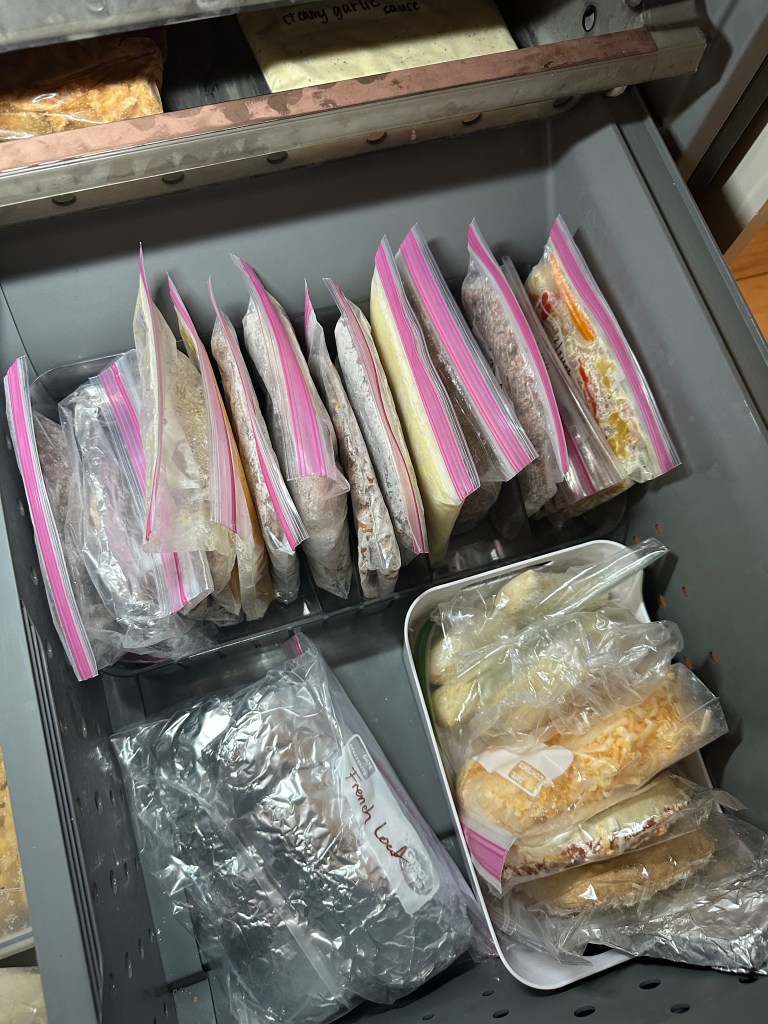
- Freeze produce before it spoils
- Bake old fruit into muffins
- Repurpose dairy into casseroles or sauces
Treat your kitchen like a restaurant: specials exist because something needs to be used up. Nothing is trash until you have fully exhausted all of its utility.
2. Know What You Already Have
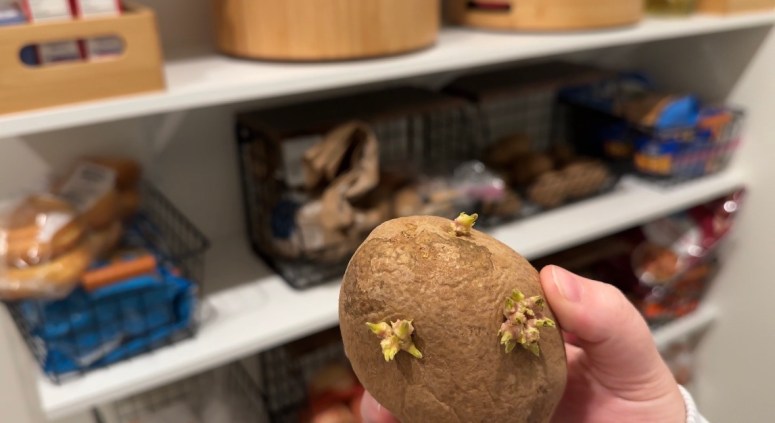
Before a restaurant orders new ingredients, they take inventory — and so should you!
- Keep your pantry and fridge minimal
- Physically touch items to “see” them again
- Rotate food using FIFO: First In, First Out
The less you own, the easier it is to track and use what you have.
3. Shop in the Right Order
Every grocery item falls into one of three categories:
- Staples (must-haves like milk, eggs, bread)
- Meal Ingredients
- Snacks and wants
Your budget should follow this order. If you run out of money before you reach snack, that’s okay — you’ve already covered the essentials.
4. Meal Plan From Your Inventory
Don’t plan meals based on cravings. Plan based on what’s already in your kitchen.
Search recipes using the ingredients you already have (e.g., “ground beef + onions + sour cream recipes”). This ensures you use what you own before buying more.
5. Repeat Meals Without Guilt
It’s okay to be boring! If you have ingredients for spaghetti, make spaghetti until the ingredients are gone. Don’t let half-used jars or open packages sit in the fridge and spoil.
6. Prep Food Immediately
When groceries come home, prep them right away:
- Wash produce
- Portion proteins
- Assemble lunches
- Chop ingredients
If you wait, you won’t do it — and that’s how food spoils.
7. Store Food Properly
Proper storage dramatically extends shelf life. For example:
- Carrots last longer stored in water
- Celery stays fresh when wrapped in foil
Learning these small tricks save money over time.
8. Restage and Repurpose Leftovers
Leftovers often go uneaten because they look boring. Try:
- Moving them to a new container
- Placing them on a different shelf
- Turning them into a new dish (baked spaghetti, chicken salad, etc.)
A small visual change can make food feel new again.
9. Stop Shopping the Sales
Sales are designed to make you spend more. Stores use “loss leaders” to get you in the door, knowing you’ll buy extra items you didn’t plan for.
Stick to your inventory-based meal plan. Sales should never dictate your shopping list.
Final Thoughts
Saving money on groceries isn’t about extreme couponing or eating bland meals. It’s about running your home like a business, staying organized, and using what you already have. With these nine strategies, you can reduce waste, lower your bill, and feel more in control of your kitchen.
 Organized Chaos