Most people don’t struggle with cleaning because they’re lazy. They struggle because they’re cleaning out of order. Cleaning happens in phases, and when you skip the early phases everything feels harder, takes longer, and leaves you wondering why your house still doesn’t look clean.
Let’s fix that!
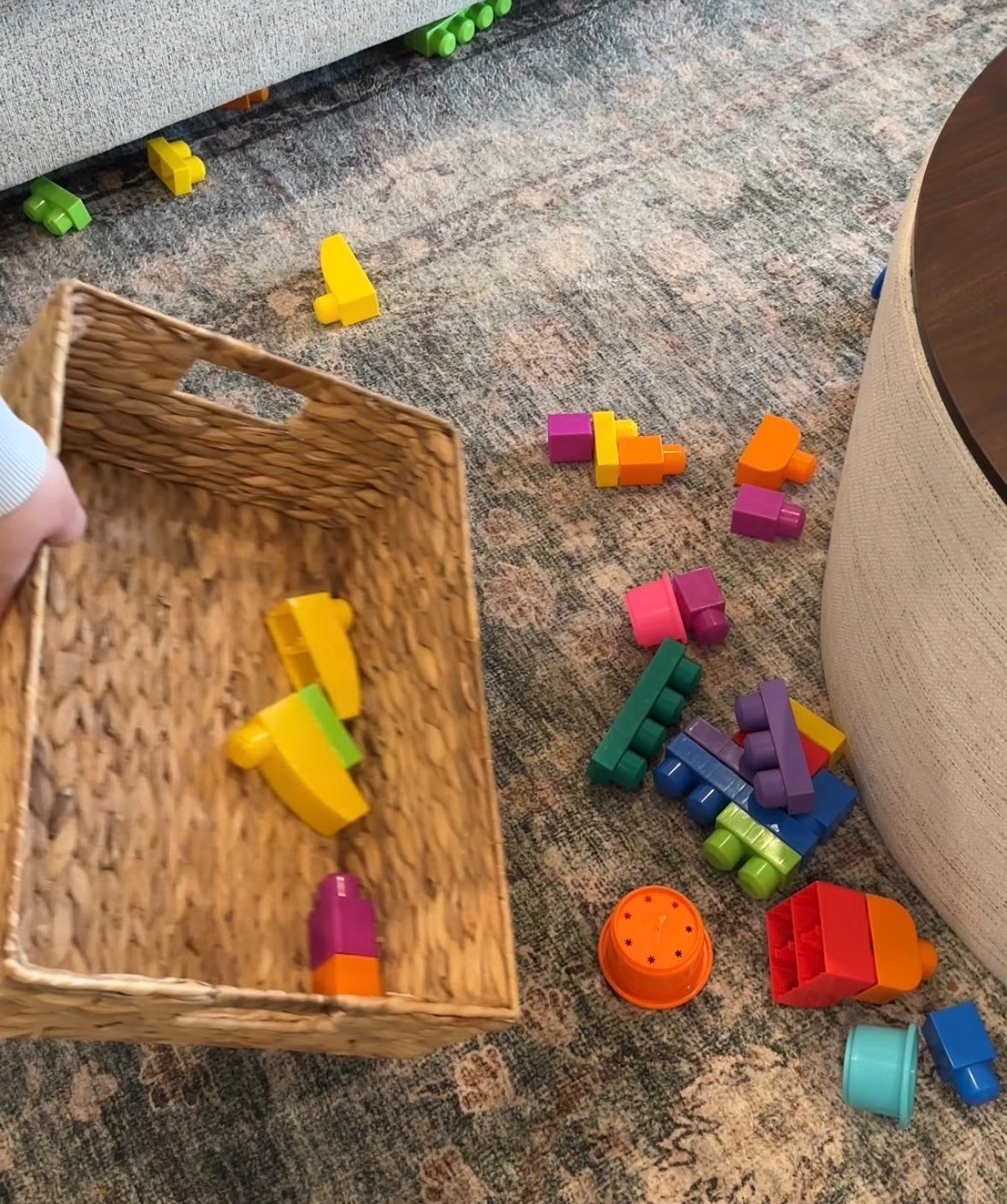
Phase 1: Surface Cleaning (The Visual Clutter Phase)
Surface cleaning is the foundation.
This is where you:
- Put things back where they belong
- Clear counters
- Pick up floors
- Remove anything sitting out of place
You cannot clean around clutter.
If the surfaces aren’t clear, nothing else you do will matter.
This is the phase people skip the most — and it’s the phase that makes the biggest difference.
Phase 2: Deep Cleaning (The Actual Cleaning Phase)
Once the surfaces are clear, now you can clean.
This phase includes:
- Mopping
- Scrubbing bathrooms
- Wiping windows
- Cleaning baseboards
- Vacuuming thoroughly
Deep cleaning only works when Phase 1 is done. Otherwise, you’re scrubbing around piles, stepping over obstacles, and wasting energy.
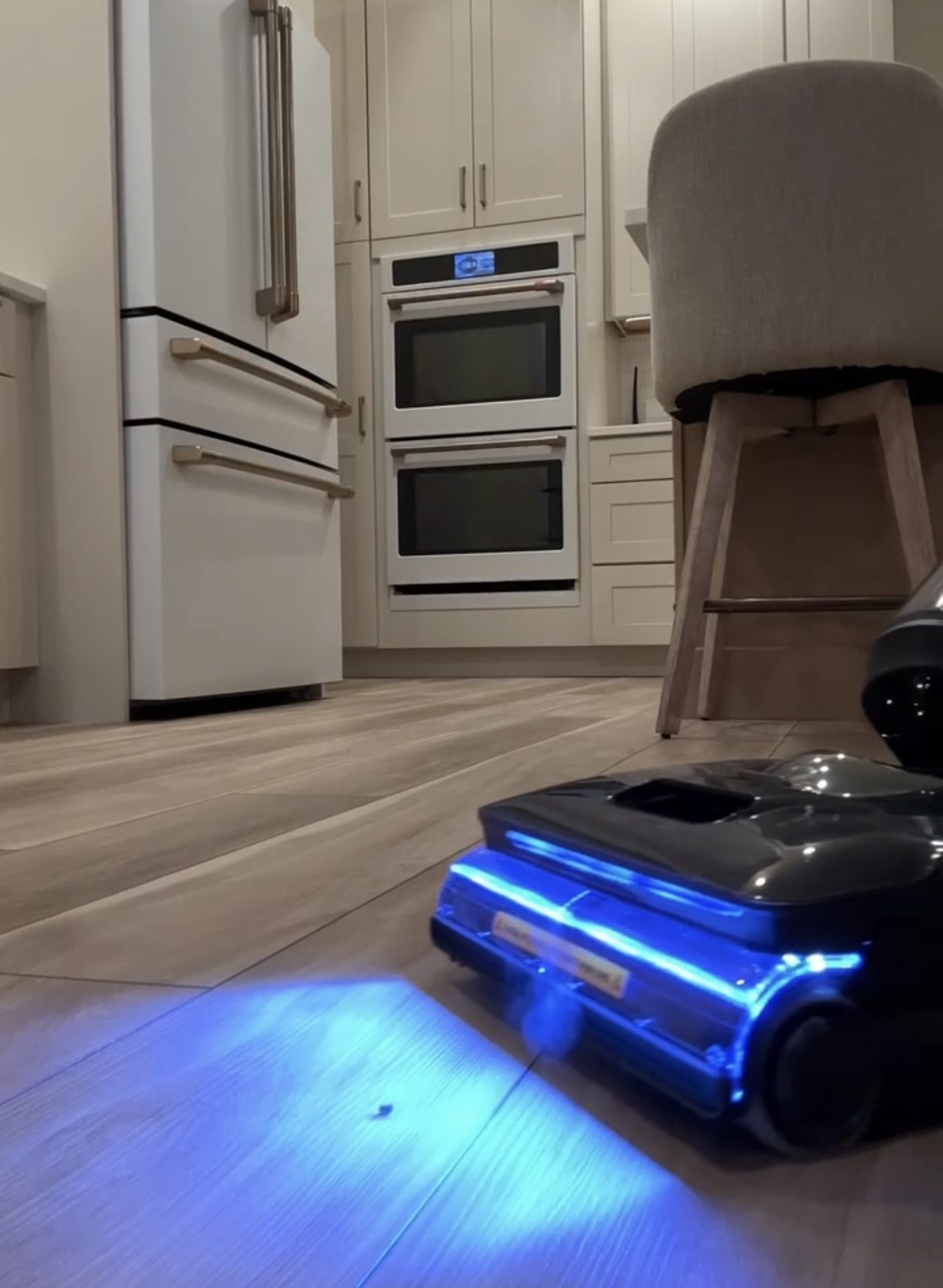
Phase 3: Detail Cleaning (The “Extra Credit” Phase)
Detail cleaning is the fancy stuff:
- Scrubbing grout
- Steaming bed linens
- Polishing fixtures
If your baseline isn’t stable — meaning surfaces are cluttered and deep cleaning isn’t done — detail work becomes pointless. You’ll spend an hour scrubbing the grout while dishes sit in the sink and papers pile up on the counter. The house still looks messy, and you’re exhausted.
Why You Can’t Skip Phases
You can’t clean clutter.
You can’t detail clean a chaotic space.
You can’t jump from Phase 1 to Phase 3 without clearing obstacles first.
Skipping phases leads to:
- Burnout
- Wasted effort
- A house that still looks messy
- Feeling like you “cleaned all day” with nothing to show for it
Cleaning only works when done in order.
The Real Reason You Skip Phases: The Productivity Mask
Here’s the truth nobody talks about:
A lot of people skip Phase 1 because they’re avoiding the real work.
It’s called productivity mask — doing something that looks productive so you don’t feel guilty about avoiding the things that actually need to be done.
Examples:
- Scrubbing grout instead of clearing counters
- Organizing a drawer instead of picking up the living room
- Deep-cleaning the shower instead of doing the dishes
On paper, you’re “cleaning.”
In reality, you’re avoiding the foundational work that makes the biggest difference.
How to Make Your Effort Actually Count
Follow the phases in order:
- Clear the surfaces
- Do the deep cleaning
- Earn the right to detail clean
When you work in sequence, your home transforms faster, stays cleaner longer, and your effort finally shows.
Here is a link to some of my favorite cleaning gadgets > https://www.amazon.com/shop/organizedchaos4/list/1MIU20RN1FQQL?ref_=aipsflist

